Welcome to Batik Art

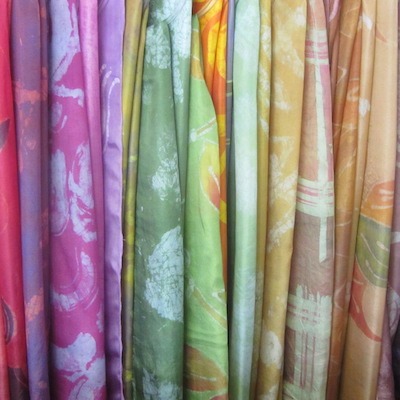
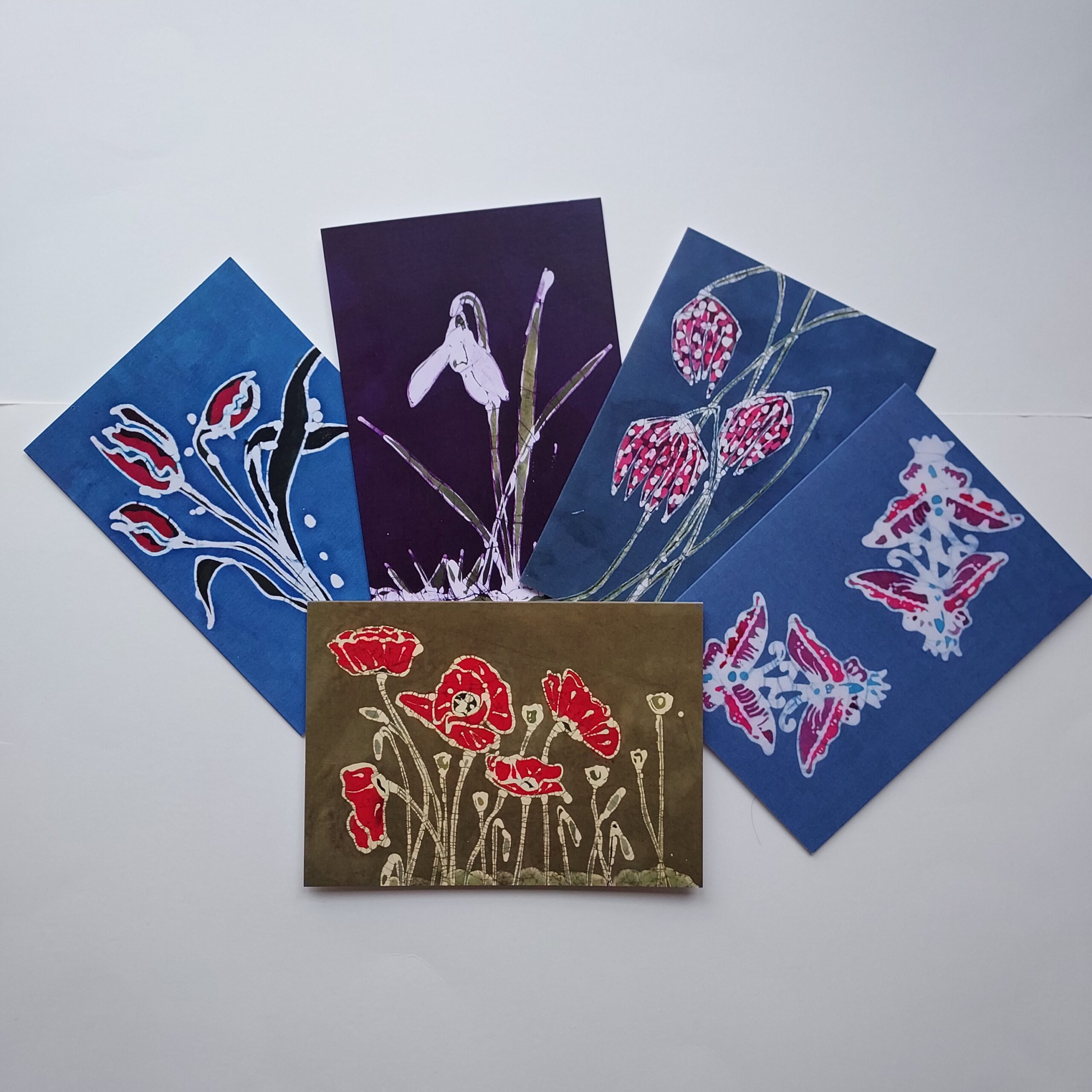
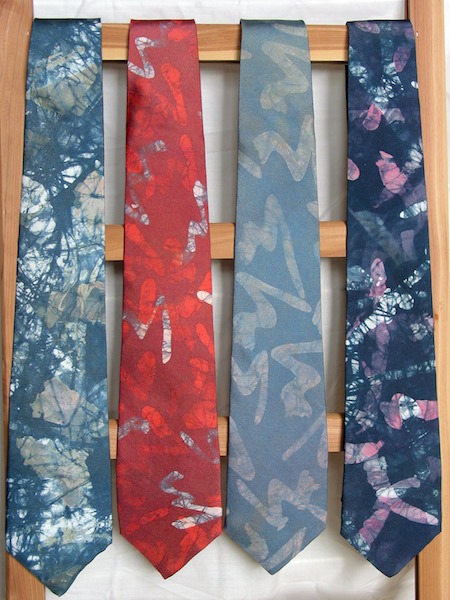
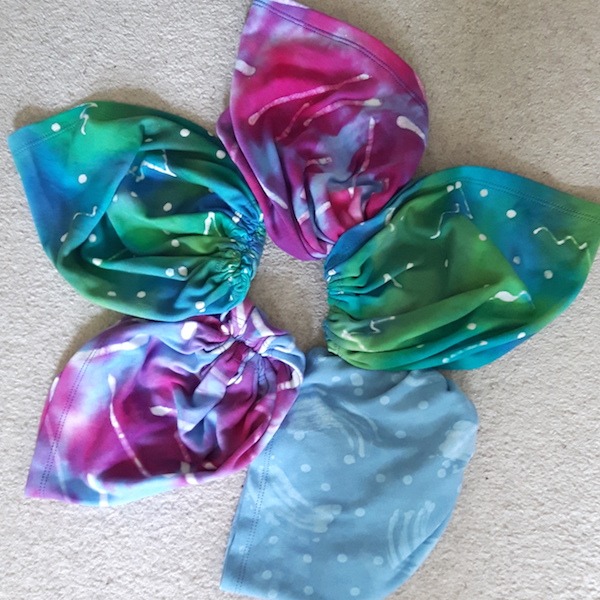
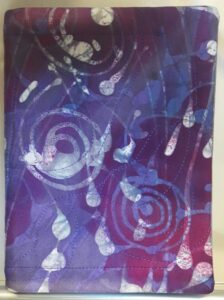
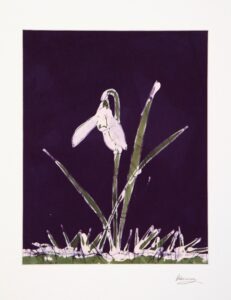
I specialise in Batik on both cotton & silk, producing scarves, ties, brooches and cards, as well as larger pictures. I particularly like colours and abstract designs, and I love the fluidity and unpredictability that Batik has as an art form. My ties and scarves are each uniquely designed, and my cotton pictures are varied in theme and use a range of batik techniques. I sell my batik by appointment from my art studio and online. I am also more than happy to talk about any aspect of my work and to discuss any special commissions.

I am a member of the South Bank Studios collective of artists, and we are currently fundraising for York Breast Friends. More information can be found on the South Bank Studios website. I am also very pleased to announce that my Cancer Reasearch Fundraising made over £2000 from the sale of my batik and from donations.
Portfolio

All my latest news…

About Me

I am a Batik Artist. I first became inspired by Batik while in Malaysia and have been practising Batik Art for over 30 years.

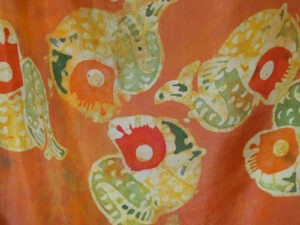
I specialize in doing Batik on cotton & silk, including velour, and I particularly enjoy the fluidity, flexibility, unpredictability & crackle effect of the wax. I also love being creative with colour and the freedom of abstract designs. My Batik is influenced by the colours and shapes of the local Yorkshire countryside.

What is Batik ?

Batik is both an art and a craft, which is becoming more popular and well known in the west as a wonderfully creative medium. The art of decorating cloth in this way, using wax and dye, has been practised for centuries.In Java, Indonesia, batik is part of an ancient tradition, and some of the finest batik cloth in the world is still made there.The word batik originates from the Javanese tik and means to dot.To make a batik, selected areas of the cloth are blocked out by brushing or drawing hot wax over them, and the cloth is then dyed. The parts covered in wax resist the dye and remain the original colour. This process of waxing and dyeing can be repeated to create more elaborate and colourful designs. After the final dyeing the wax is removed and the cloth is ready for wearing or showing.Contemporary batik, while owing much to the past, is markedly different from the more traditional and formal styles. For example, the artist may use etching, discharge dyeing, stencils, different tools for waxing and dyeing, wax recipes with different resist values and work with silk, cotton, wool, leather, paper or even wood and ceramics.Batik is historically the most expressive and subtle of the resist methods. The ever widening range of techniques available offers the artist the opportunity to explore a unique process in a flexible and exciting way.

Taken from the Batik Guild

Contact Me

I am happy to discuss any aspects of my work, or talk about the possibilities of special commissions. So, please do get in touch via telephone, email or by sending a message via the website by clicking the appropriate buttons below.

Instagram